El Refugio Monteverde Night Tour: Wildlife Refuge Guide
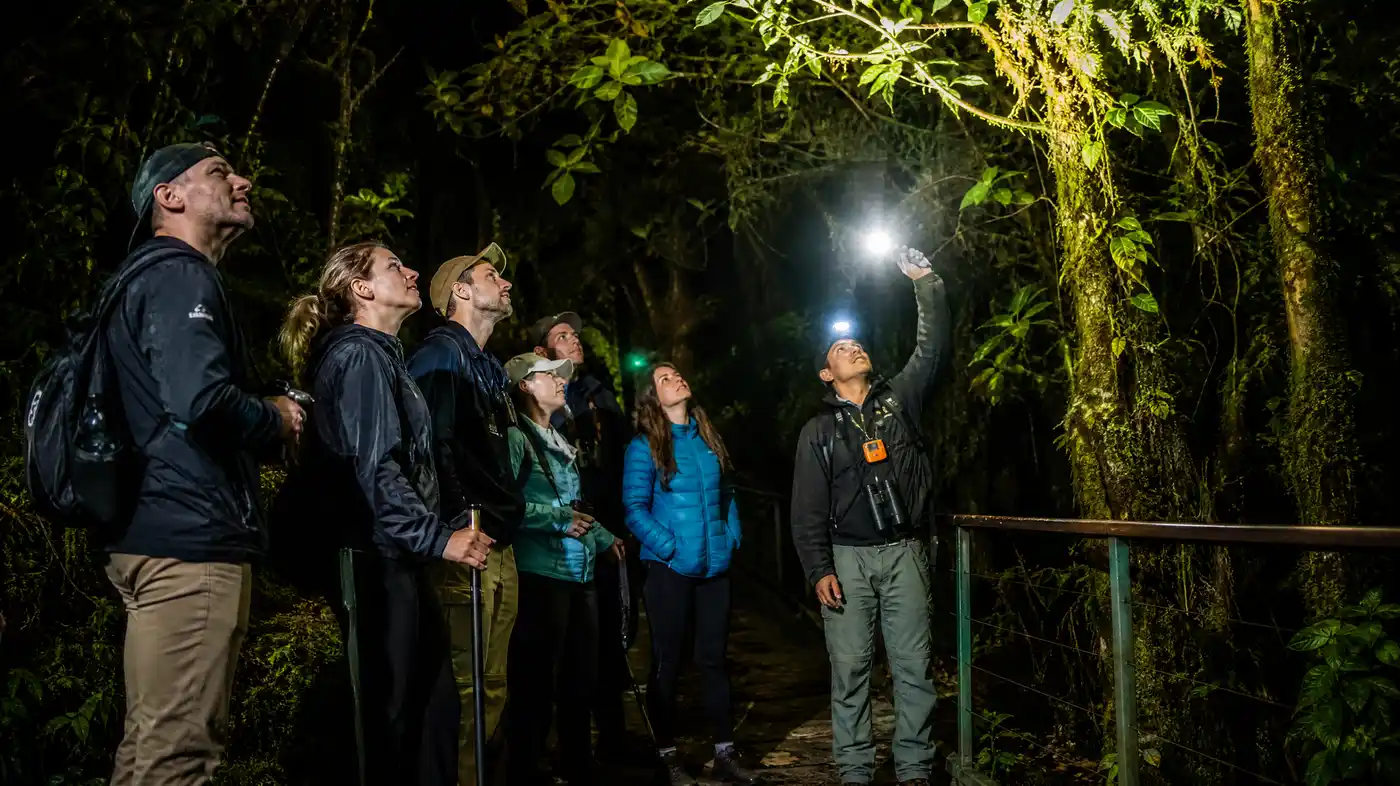
Walking into the cloud forest after sunset feels strange at first. Your eyes strain against the blackness, your ears pick up every cracking twig, and the smell of damp earth and moss hits your nose instantly. Among the nocturnal walks scattered across Santa Elena, el refugio monteverde quietly holds its own as one of the most rewarding wildlife refuges in the area. It does not carry the giant brand name of the big biological reserves up the mountain, but that works directly in its favor.
The reserve sits lower down the mountain slope where the air runs warmer and the canopy thickens with broadleaf trees, tangled vines, and lush secondary growth. Most travelers land here because someone at their hostel or eco-lodge whispered that the larger reserves can be hit or miss for mammals. Animals congregate where food is easy to find, and this private pocket of protected land delivers an intimate, unvarnished look at Costa Rica after dark.
Book your monteverde night tour experience:
What Makes an El Refugio Night Walk Monteverde Different
The mistake people often make when booking night tours around here is heading straight to the high-elevation primary cloud forest. Up at 1,500 meters, mist rolls in thick, wind whips through the epiphytes, and temperatures plunge quickly. Wildlife up there hunkers down deep in the trees to stay warm. An el refugio night walk monteverde operates at roughly 1,350 meters above sea level. That slight drop in altitude means milder temperatures, denser undergrowth, and far more activity from coldblooded creatures like tree frogs, side-striped palm pit vipers, and wandering tarantulas.
Second-growth forest often outperforms old-growth primary forest when you want volume. Decades ago, chunks of this land served as small pastures before conservation took hold. Today, fast-growing pioneer trees have shot up, creating dense thickets packed with berries, wild figs, and tender shoots. Leafcutter ants carve superhighways across the trail. Sloths do not have to climb 40-meter giant trees to find something to eat, which means you might spot one hanging just 4 meters above your head instead of squinting through fog at the top of an ancient oak tree.
Pro tip: Book the 5:30 PM tour slot instead of the later run. You catch the forest right at twilight when diurnal birds settle in and nocturnal hunters first stir.
Sound travels differently here, too. Away from the roar of the mountain winds, you can hear the faint click of a katydid or the soft rustle of a mouse opossum running along a fallen log. Guides rely on their ears just as much as their eyes, stopping every few steps to listen for the faint branch-snap of an animal feeding overhead.
What You Actually See: Wildlife at El Refugio
Guides carry spotting scopes and powerful flashlights, though the best ones spot eye-shine with weak headlamps before turning on bright beams. A standard monteverde wildlife refuge night tour starts along an open clearing before ducking into the dark understory. One of the earliest sights is often birds asleep on tiny twigs. Seeing a bird sleeping in the wild sounds plain until you watch an emerald toucanet tucked into a tight ball with its massive beak nestled backward beneath its wing feathers. They look like colorful fuzzy tennis balls balanced on spindly branches.
Mammals demand some patience, but El Refugio has an enviable track record. Two-toed sloths chew on cecropia leaves along the outer ridge. Kinkajous, those golden-brown canopy acrobats with prehensile tails, move through the trees around 7:00 PM foraging for wild fruit and flower nectar. You hear them before you see them. Branches rustle violently, fruit rinds drop to the forest floor, and suddenly two glowing amber eyes peer back down through the foliage. If you want to dive deeper into the species roster across the region, check out our guide on Monteverde night tour animals for photos and behavioral quirks.
Then come the reptiles and amphibians. Look down along the root systems of ficus trees. The guides tap hollow branches and point small beams into holes in the clay banks. Orange-kneed tarantulas sit right at the mouth of their silk-lined burrows waiting for crickets. Side-striped pit vipers curl along the stems of wild ginger plants, completely still, waiting for passing tree frogs. Seeing a viper coiled inches from your path under a guide's watchful eye gives you a healthy respect for the jungle floor.
You will also meet insects that look like they crawled out of science fiction. Giant walking sticks mimic lichen-covered twigs with tiny swaying movements that match the breeze. Bullet ants patrol low vines with deliberate, robotic steps. If you get lucky, your guide might point out a glowing click beetle, which looks like a small airplane flying through the underbrush with twin green headlights shining from its thorax.
El Refugio Night Tour Monteverde: Trails, Pace, and Logistics
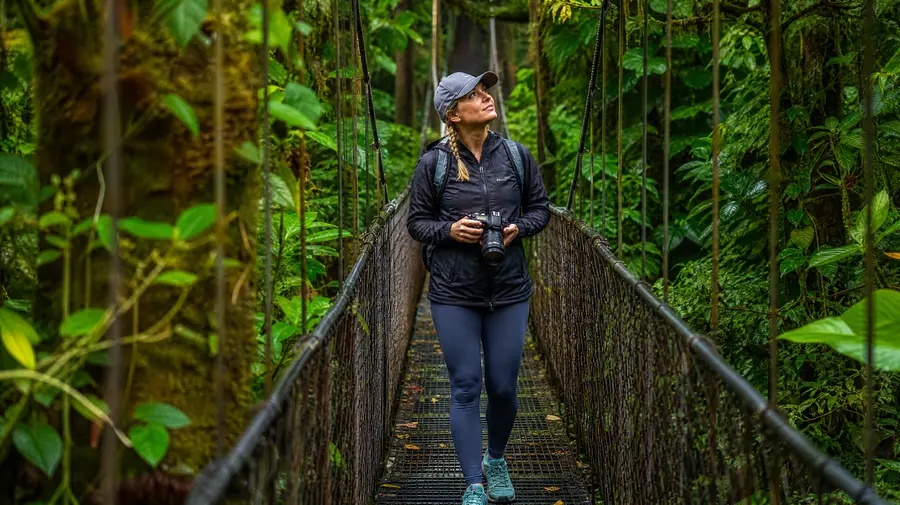
The trail network measures roughly 2.3 kilometers, though on an el refugio night tour monteverde you usually walk only about 1.4 kilometers of it over the span of 110 minutes. The pace feels almost comically slow. You take five steps, stop, search the leaves, wait for the guide to position the scope, and admire a green stick insect disguised as a mossy twig. Families with kids usually do fine here because the trails are well graded with gravel, wooden steps, and handrails on the steeper descents.
It gets wet. Even in the dry season between February and April, rain showers sweep across the continental divide without much warning. The trails can turn slick within minutes. You do not need heavy mountaineering boots, but closed-toe footwear with actual tread is non-negotiable. Sandals will earn you ant bites and soaked feet.
Note: Red light settings on headlamps are strictly enforced by several guides here to avoid blinding sleeping birds, so make sure your light has a low or red mode.
What you carry on your body makes a huge difference in how much you enjoy the walk. Keep your hands free for balancing on steps and holding the flashlight. A small backpack holds everything you need without bumping into your tour mates on narrow pathways.
- Footwear: Sturdy trail runners or hiking boots with deep rubber lugs to handle wet clay and slippery wooden steps.
- Rain gear: A lightweight rain shell or poncho packed in your daypack, no matter how clear the sky looks at 4:30 PM.
- Insect repellent: Apply it at your hotel before getting into the transport shuttle so bug spray does not foul the reserve air.
- Small flashlight: Bring your own pocket torch as backup, even though the refuge supplies standard handheld beams.
- Long trousers: Lightweight synthetic pants tucked into your socks will keep wandering ants and wet brush off your skin.
Book your monteverde night tour experience:
Refugio Monteverde Night Tour Review: How It Stacks Up
Writing an honest refugio monteverde night tour review means laying out the trade-offs clearly. The reserve is not huge. If you want endless wilderness where you feel lost in the Amazon, this is not that place. You can occasionally hear a distant motorbike or rooster from the Santa Elena outskirts if the wind blows from the west. If your main goal is seeing bizarre creatures with a top-tier guide, it delivers higher density per square meter than almost anywhere else in the valley.
Compared to the huge public cloud forest reserve, the groups here stay smaller. Standard groups cap at eight people per guide, whereas larger parks sometimes bunch 12 or 15 people behind a single naturalist. When a sloth appears 15 meters up, eight people can look through a spotting scope in two minutes; fifteen people takes ten minutes, and by then the animal has crawled behind a branch. For a wider comparison across all private and public options in the region, read our breakdown of the best night tours in Monteverde to see how each terrain differs.
The local guides at El Refugio are its secret weapon. Most of them grew up roaming these exact hills, and their spotting speed borders on witchcraft. While an untrained eye sees a wall of green leaves, a guide will spot the tail tip of a sleeping motmot 20 meters away in dense foliage. They take pride in their craft and carry heavy Swarovski or Zeiss spotting scopes that give you crisp, close-up looks at sleeping birds and tiny insects.
| Reserve | Elevation | Group Size Limit | Best For | Typical Cost |
|---|---|---|---|---|
| El Refugio Monteverde | 1,350 m | 8 guests | Sloths, sleeping toucans, snakes | $32 |
| Monteverde Cloud Forest | 1,520 m | 12 guests | High-altitude mist, rare plants, quiet trails | $35 |
| Kinkajou Night Walk | 1,380 m | 9 guests | Mammals, nocturnal insects, coffee fringe | $28 |
| Valle Escondido | 1,320 m | 8 guests | Frogs, waterfalls, quiet forest trails | $30 |
Timing, Weather, and Choosing Your Tour Slot
The reserve runs two main departures each night, usually at 5:30 PM and 7:30 PM. Most travelers fight for the early slot, and I agree with that instinct. As dusk sets in around 5:45 PM, the shift change between day and night animals happens right in front of you. Hummingbirds make their last frantic visits to blossoms, diurnal lizards squeeze into tree crevices, and grey fox tracks in the dirt look fresh.
The second slot at 7:30 PM has its own perks. By 8:00 PM the woods are dead quiet. The birds are in deep sleep, making them easier to photograph through a spotting scope because they barely flinch when a guide bounces a soft diffused beam off a nearby leaf. Frogs also call louder later in the evening, especially around the marshy dip in the trail after a sudden rain.
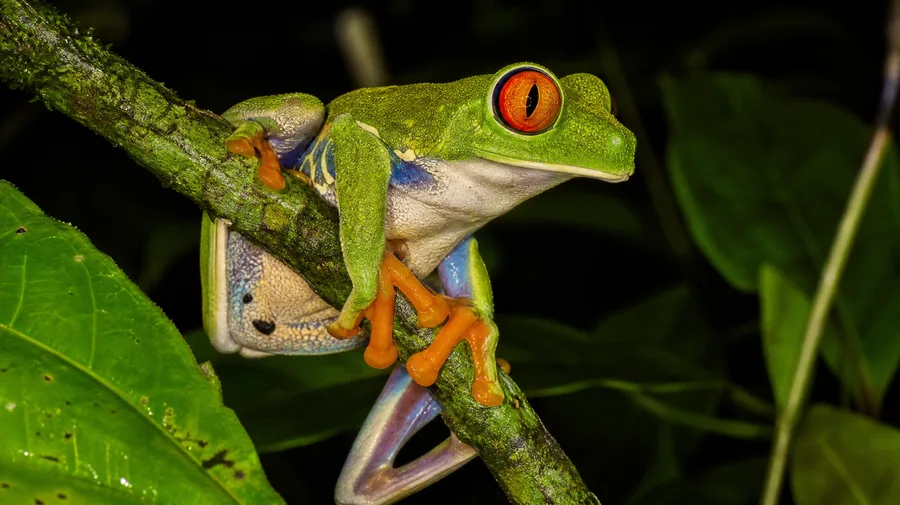
Weather in Monteverde changes rapidly. An afternoon downpour might feel discouraging while you sit in a café in Santa Elena, but rain often clears the air and brings out amphibians in droves. Red-eyed tree frogs, masked tree frogs, and glass frogs wake up when the humidity peaks. Do not cancel a tour just because it rained an hour before departure. Wet nights often turn out to be the most active nights on the trail.
- Tour duration: Roughly 1 hour and 50 minutes of actual walking time along the forest loops.
- Pickup timing: Hotel shuttles usually arrive 20 to 30 minutes before your scheduled start time in Santa Elena.
- Photo rules: Direct camera flashes are forbidden on animals, but guides will expertly align your phone lens against their spotting scopes.
- Child friendliness: Paths work well for kids aged 5 and older who can manage gentle gravel hills without wandering off.
Frequently Asked Questions about el refugio monteverde
Is transportation included in the El Refugio night tour?
Most operators bundle round-trip transportation from Santa Elena and Cerro Plano accommodations into the ticket price. If you stay farther out toward San Luis or near the reserve entrance itself, check with the refuge ahead of time because a small fuel surcharge of around $5 to $8 per person might apply.
How physically demanding are the trails at El Refugio?
The hike is rated easy to moderate. The paths feature packed gravel, wooden bridges, and modest stair sections with handrails. You do not cover more than 1.5 kilometers total, and the group stops constantly, making it accessible for anyone comfortable walking at a slow pace for roughly two hours.
What happens if it rains during the night walk?
Tours run rain or shine unless severe lightning or high wind creates danger from falling tree branches. Animals do not disappear in the rain; frogs and insects become significantly more active. Throw on a rain poncho, protect your camera gear in a dry bag, and keep walking.
Should I bring my own flashlight or headlamp?
The refuge gives each guest a standard handheld LED flashlight at the start of the tour. Bringing your own small headlamp with a red-light mode is useful for watching your step on muddy stairs, but you will want to turn it off when the guide focuses their scope on wildlife.
Quick Reference
- Location: 1.8 km south of Santa Elena center
- Cost: around $32 per adult (excluding tips)
- Schedule: Daily departures at 5:30 PM and 7:30 PM
- Group limit: Maximum 8 people per naturalist
- Trail difficulty: Easy to moderate packed gravel loops
Book your monteverde night tour experience:
The Bottom Line
If you visit Monteverde expecting primary cloud forest wilderness with giant ancient trees towering into swirling fog, head to the big biological reserve during daylight hours. If your goal after dinner is seeing sloths, sleeping toucans, pit vipers, and odd insects up close without elbowing past twenty other tourists, El Refugio is hard to beat. Book the early 5:30 PM slot, lace up proper shoes, leave your expectations of a manicured zoo at the gate, and let the guide show you how alive a dark Costa Rican hillside can be.
Read more about monteverde night tour.